Landscape Maintenance Solutions for Busy Homeowners


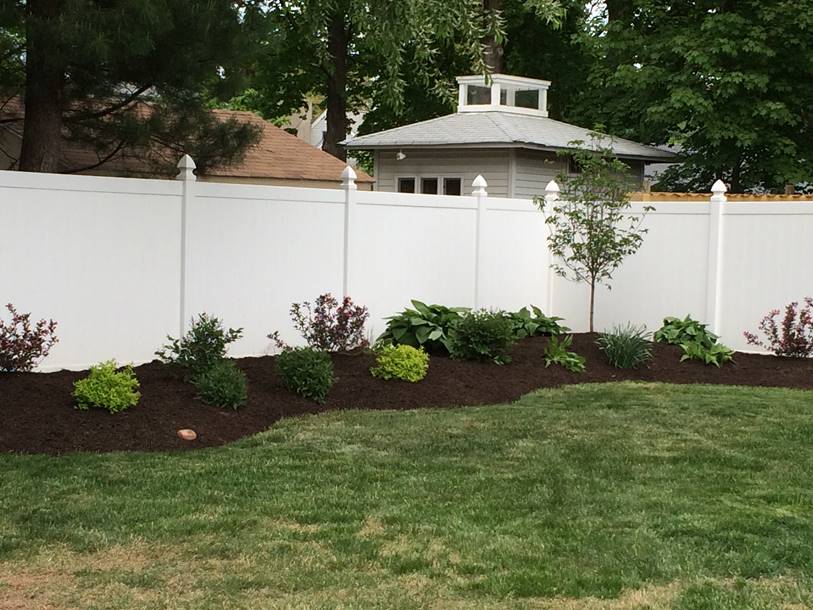
A beautiful yard does not usually fail because the owner lacks taste. It fails because life gets crowded. Work runs long, weekends fill up with errands, kids have games, travel interrupts routines, and suddenly the grass is uneven, shrubs are pushing past the windows, mulch has thinned out, and weeds are setting up camp in every bed. Most busy homeowners do not need grand redesigns. They need Landscape Maintenance that fits reality.
That distinction matters. Maintenance is not the glamorous part of outdoor living, but it is the part that determines whether a property looks cared for in July, survives August heat, and enters winter without a backlog of problems. In practice, the best maintenance plan is not the one with the longest task list. It is the one that protects curb appeal, plant health, safety, and property value without demanding constant attention.
Over the years, one pattern shows up again and again. Homeowners often start with good intentions and a few tools, then realize the yard has become another unfinished project. What helps is not more effort in bursts. What helps is simplification, timing, and a willingness to stop treating every part of the landscape as equally important. A front entry bed, for example, carries far more visual weight than a narrow strip behind the garage. An irrigation leak near the foundation deserves immediate attention. A few stray leaves in a back corner do not.
What busy homeowners actually need from a maintenance plan
Most people think of landscape care as mowing, trimming, and maybe seasonal cleanup. Those are pieces of it, but a practical maintenance solution has to do three things at once. It has to preserve appearance, prevent expensive decline, and reduce decision fatigue.
The appearance piece is obvious. A property looks maintained when edges are crisp, plants are proportionate to the space, turf is reasonably even, and beds are not overrun with weeds. Perfection is not necessary. Consistency is.
The prevention piece is where many homeowners either save money or lose it. A clogged downspout can kill foundation plantings. Improper pruning can ruin flowering shrubs for a season. A broken sprinkler head can waste thousands of gallons over a month and leave one section of lawn stressed while another turns swampy. Landscape Maintenance done on schedule is far cheaper than repair work after neglect.
The decision-fatigue piece is less visible, but it is often the reason plans fall apart. If every Saturday begins with deciding what needs attention most, the yard becomes mentally heavy. Good maintenance systems remove that friction. They create default routines, define service intervals, and keep the property from drifting into emergency mode.
Start by reducing complexity, not adding chores
The hardest yards to maintain are not always the largest. Often, they are the most complicated. Too many plant varieties, awkward bed lines, thirsty annuals in hot exposures, lawn areas too narrow to mow efficiently, and edging details that look sharp for three days before they start breaking down. When a homeowner is short on time, complexity becomes the enemy.
A manageable landscape leans on durable plants, limited material changes, and layouts that can be serviced quickly. One large bed with a clean massing of shrubs and perennials is easier to maintain than six tiny islands filled with mixed specimens. Wider turf areas mow faster than fragmented strips. Drip irrigation in shrub beds usually demands less attention than hand watering or overhead spray. Fresh mulch once or twice a year suppresses enough weeds to cut maintenance hours dramatically.
I have seen homeowners reduce their yard workload by half without removing square footage, simply by editing the design. They replaced fussy seasonal flowers with evergreen structure, removed a few underperforming shrubs that were always diseased, and consolidated scattered planters into one focal area near the front porch. The property looked better because it looked deliberate, and it stayed better because the upkeep became realistic.
The highest-value tasks, if time is limited
If someone has only a small amount of time each month, not every task deserves equal priority. Some jobs deliver outsized results because they affect both plant health and visual order. These are the ones worth protecting in the schedule:
- Mowing and edging at a steady interval, because overgrown turf makes the entire property look neglected fast.
- Weed control in front-facing beds, since weeds compete with desirable plants and immediately signal poor upkeep.
- Proper watering, especially during establishment periods and summer heat, because most plant losses trace back to too much or too little moisture.
- Seasonal pruning of dead, damaged, or crossing growth, which keeps shrubs healthier and prevents the “blob” look that develops after years of random shearing.
- Mulch refresh and bed cleanup, because they improve moisture retention, moderate temperature swings, and make almost every planting bed look finished.
That list is not glamorous, but it is effective. If those five areas are handled reliably, most residential landscapes remain attractive and functional even when owners have no time for extras.
Choosing between do-it-yourself, full service, and hybrid maintenance
Busy homeowners often frame the choice as all or nothing. Either they do every task themselves or they hire a company to handle the lot. In reality, the best setup is often a hybrid.
Do-it-yourself works when the property is modest, the owner enjoys outdoor work, and there is enough flexibility to stay ahead of seasonal needs. It tends to break down when maintenance depends on perfect weekend weather or on a homeowner learning specialized tasks on the fly. Pruning hydrangeas, diagnosing irrigation issues, and timing pre-emergent weed control are not impossible skills, but they do require knowledge and attention.
Full service makes sense when time is scarce, the landscape is valuable or complex, or the owner wants predictable presentation year-round. A strong maintenance provider will not just mow. They will watch irrigation performance, note pest pressure, monitor plant decline, clean beds, adjust pruning by season, and identify problems before they become expensive. The downside is cost, and not every company delivers the same level of horticultural judgment. Some crews are excellent at routine labor but weak on plant care.
Hybrid maintenance is often the sweet spot. Homeowners outsource the recurring tasks that create the most burden, such as mowing, seasonal cleanup, mulching, and shrub pruning, while keeping a few manageable jobs for themselves. Watering potted plants, deadheading a favorite perennial bed, and harvesting herbs can remain enjoyable. Dragging through a half-day of leaf removal in November usually does not.
One family I worked with had a large corner lot and two school-age children involved in sports. They loved gardening, but only in short bursts. Their solution was simple. A service handled weekly mowing and monthly bed care from spring through fall. The homeowners kept the containers at the entry and a small cutting garden by the patio. Their yard looked polished, and they still got the satisfaction of hands-on gardening where it felt rewarding rather than exhausting.
Smart scheduling beats heroic effort
A common mistake is waiting until the yard looks bad, then trying to fix everything at once. That creates long, unpleasant work sessions and usually leads to rushed decisions. Plants get hacked back too hard, fertilizer is applied at the wrong time, and half the cleanup gets postponed anyway.
Steady scheduling works better. Most landscapes need a rhythm more than they need intensity. Lawns generally need weekly or biweekly attention during active growth. Beds should be checked often enough that weeds are removed while small. Shrubs are easier to shape lightly at the correct season than to rescue after a year of neglect. Irrigation should be inspected before peak heat arrives, not after stressed plants start flagging.
This is where professionals earn their keep. A good crew does not just perform labor. They anchor timing. They make sure spring cleanup does not slide into late May, that summer pruning does not hit sensitive plants at the worst moment, and that fall leaf buildup does not smother turf. For a busy homeowner, that reliable sequence is often more valuable than any single task.
Irrigation is where many landscapes quietly fail
Watering problems cause more frustration than almost any other maintenance issue. Homeowners are busy, so they assume their irrigation system is handling the basics. Sometimes it is. Often, it is not.
Sprinkler heads get misaligned. Rotors stop rotating. Drip lines clog. Coverage patterns change as shrubs mature. Controllers are never adjusted for seasonal weather shifts. One zone runs far too long, another barely reaches the root zone, and the owner notices only when brown patches or declining shrubs show up.
A seasonal irrigation check is one of the most practical Landscape Maintenance investments available. It does not need to be elaborate. The goal is to verify coverage, look for leaks, adjust runtimes, and confirm that plant types are matched with appropriate watering patterns. Lawn and foundation shrubs rarely need the same schedule. Containers almost never follow the same rules as in-ground beds.
There is also a trade-off worth understanding. Automated irrigation saves time, but it can encourage complacency. Systems should support observation, not replace it. Even with a controller, someone still needs to look at the landscape. If a bed stays soggy for days, the issue is not solved because water came on “as programmed.” In the field, programming errors are often responsible for weak turf, root rot, fungus pressure, and wasteful utility bills.
Pruning with judgment, not impatience
Pruning is one of those tasks that seems straightforward until a property shows years of poor cuts. Homeowners in a hurry often shear every shrub into a tight ball because it is fast and creates instant neatness. The problem is that constant shearing can leave plants dense on the outside, bare on the inside, oversized for the space, and robbed of their natural form.
Good maintenance pruning asks different questions. Is the plant healthy? Is it too large for the location? Does it flower on old wood or new wood? Is the goal to renew the structure, reduce hazard, improve air circulation, or simply tidy the shape? The answers guide the method.
For busy households, the best long-term solution is to reduce the number of plants that require frequent sculpting. Choose varieties that mature near the desired size. Give them enough room. Let broadleaf evergreens look like plants, not green furniture. The less a landscape depends on constant corrective pruning, the more durable it becomes.
There are exceptions. Formal hedges near entries or property lines may justify routine clipping. Fast-growing screening plants may need regular control. But in most residential settings, selective pruning at the right time gives a better result and lowers the maintenance burden.
Seasonal work that prevents year-round headaches
Landscapes change fast with the seasons, and neglect tends to compound. Spring is when many small opportunities are either captured or missed. Bed cleanup, fresh mulch, irrigation startup, early weed control, and pruning of winter damage create momentum. If those tasks are delayed too long, the season becomes a series of catch-up jobs.
Summer is less about large interventions and more about monitoring. Heat stress, watering consistency, pest pressure, turf fatigue, and container care matter most. This is not the time for aggressive pruning on many plants. It is the time to keep things stable.
Fall is arguably the most underrated maintenance season. Leaf management, cutbacks where appropriate, lawn https://patch.com/users/silentxpi7 repair or overseeding in some regions, final shrub shaping, and irrigation winterization set the property up for a cleaner spring. A neglected fall usually means a rough start next year.
Winter, in milder climates, can be an excellent time for structural pruning, planning, and light refresh work. In colder areas, it becomes the season for tool maintenance, contractor scheduling, and evaluating what truly performed well in the landscape.
A practical annual rhythm often looks like this:
- Spring, reset the property with cleanup, mulch, irrigation checks, and early weed control.
- Summer, protect plant health through watering oversight, mowing consistency, and light bed maintenance.
- Fall, handle leaves, repair worn areas, and prepare systems and plants for colder weather.
- Winter, prune where appropriate, review problem spots, and plan simple improvements before growth returns.
This kind of cycle keeps maintenance from piling up into expensive rescue work.
Materials and plant choices that save time year after year
Busy homeowners usually look for labor savings in service arrangements, but materials matter just as much. A landscape designed with maintenance in mind behaves differently over time.
Mulch is a clear example. A properly mulched bed suppresses weeds, holds moisture, and gives the whole planting area a finished look. It is not a cure-all, and it should not be piled against trunks or stems, but it consistently reduces hands-on upkeep. Stone can work in certain spaces, especially narrow side yards or utility areas, though it often stores heat and allows organic debris to accumulate unless it is installed thoughtfully.
Plant selection may be the single most important decision of all. If a homeowner falls in love with species that demand frequent spraying, deadheading, staking, or pruning, maintenance will always feel heavy. There is nothing wrong with a few high-touch plants near a patio where they can be appreciated. The issue is building an entire yard around them.
Reliable landscapes usually depend on a backbone of durable shrubs, regionally appropriate perennials, groundcovers that actually cover ground, and turf areas sized to the owner’s willingness to mow or pay for mowing. Native and well-adapted plants can help, but “native” is not automatically “no-maintenance.” Some grow vigorously and still need editing. The right question is not whether a plant sounds sustainable on paper. It is whether it performs predictably in that exact site with the level of care the household can truly provide.
When outsourcing pays for itself
Some homeowners hesitate to hire maintenance because they see it as an optional luxury. Sometimes it is. Often, though, it is a practical allocation of time and money. The value becomes clearer when you factor in missed weekends, equipment purchases, plant replacement costs, and the price of deferred issues.
A homeowner who buys a mower, trimmer, blower, fertilizer spreader, hoses, hand tools, and irrigation parts can spend a substantial amount before counting fuel, repairs, or storage. Then there is time. If routine yard care takes three to five hours every weekend during peak season, that adds up quickly. For people with demanding jobs or family schedules, the real cost is often not financial. It is opportunity cost.
There is also the issue of standards. A trained maintenance crew can usually edge more cleanly, prune more appropriately, and identify problems earlier than a rushed homeowner working at the end of a long week. Not every contractor is excellent, but a strong one provides consistency that is hard to match under time pressure.
That said, outsourcing only pays when the scope matches the property’s needs. Some homeowners overhire. They pay for weekly visits when biweekly service with seasonal add-ons would be enough. Others underhire and end up calling for expensive one-time cleanups. The right balance usually starts with an honest assessment of what falls through the cracks most often.
How to hire a landscape maintenance company without regret
The best companies are not always the cheapest or the largest. What matters is whether they understand horticulture, communicate clearly, and show up on a dependable schedule. For busy homeowners, reliability is part of the product.
When evaluating providers, pay attention to how they talk about the property. Do they notice drainage patterns, pruning needs, and plant health, or do they only quote mowing frequency? Do they offer a maintenance calendar or just a generic monthly price? Can they explain what is included in bed care, what counts as extra work, and how they handle seasonal transitions?
It is also worth asking who makes plant-care decisions on site. A crew can be hardworking and still lack guidance. Good results often come from a knowledgeable supervisor who adjusts practices by season and property condition.
Photos help, but references are better. If possible, look at landscapes they have maintained for a few years, not just newly installed projects. Long-term care tells the truth. Healthy shrubs, balanced growth, tidy bed lines, and sensible pruning are hard to fake over time.
A yard that serves the homeowner, not the other way around
The most successful residential landscapes are not the ones that demand admiration every week. They are the ones that support the people who live there. They provide a pleasant arrival at the end of the day, a usable outdoor space on weekends, and enough order that the property never feels like another source of stress.
For busy homeowners, that usually means shifting the goal. The aim is not to win a neighborhood contest for the rarest plant palette or the sharpest annual rotation. The aim is to build a landscape that stays attractive with predictable care, sensible investment, and minimal drama.
Landscape Maintenance works best when it is treated as a system, not a scramble. Simplify where possible. Protect the high-value tasks. Use irrigation wisely. Prune with judgment. Schedule by season. Hire help where it saves time and prevents avoidable problems. A well-kept landscape is not always the result of more work. More often, it comes from better choices, made early, and repeated consistently.
Majestic Mowing & Landscaping LLC
Phone number: +19733975532
FAQ About Landscape Maintenance
What is landscape maintenance?
Landscape maintenance is the ongoing care, cleaning, and upkeep of outdoor green spaces to keep them healthy, safe, and attractive.
Is $100 an hour too much for landscape work?
An hourly rate of $100 is not too much for specialized or professional landscape work, though it sits at the higher end of the standard pricing spectrum.
How much do landscapers charge for maintenance?
For professional landscaping maintenance, homeowners typically pay $100 to $410 per month for recurring services, or an hourly labor rate of $50 to $100 per hour per crew member.